Discover the critical learn vs study difference to enhance your knowledge retention, improve exam preparation, and achieve your academic and professional goals more effectively.
Learn vs Study Difference: Your Ultimate Guide to Effective Knowledge Acquisition
In the realms of education and personal development, the terms “learn” and “study” are often used interchangeably. However, understanding the fundamental learn vs study difference is crucial for anyone seeking to acquire knowledge efficiently and permanently. While both are essential for growth, they represent distinct stages and processes in the journey from ignorance to mastery. This article will dissect the learn vs study difference, provide actionable tips, and help you apply both concepts to excel in your endeavors.
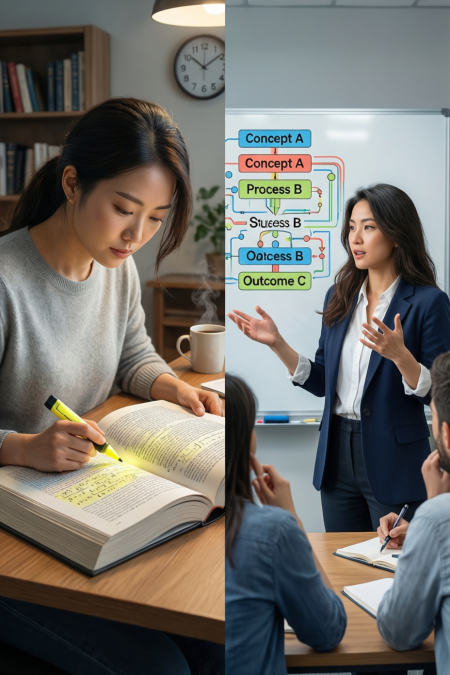
Understanding the Core Learn vs Study Difference
At its heart, the difference is about process versus outcome, and action versus result.
- Study is the input: the deliberate, focused activities you undertake to acquire information. It involves methods like reading textbooks, reviewing notes, attending lectures, and memorizing facts.
- Learn is the outcome: the internalization and comprehension of knowledge or a skill. It is demonstrated through your ability to recall, apply, and explain that knowledge without direct reference to sources.
You can study for hours without learning anything if the information isn’t understood or retained. Conversely, you can learn something through experience (like riding a bike) without formally studying it.
100 Examples of Learn vs Study Difference
- Study: Re-reading a chapter on grammar rules. Learn: Being able to write a grammatically correct essay.
- Study: Memorizing vocabulary flashcards. Learn: Using new words correctly in a conversation.
- Study: Watching a tutorial on coding syntax. Learn: Building a functional website.
- Study: Highlighting lines in a history book. Learn: Explaining the causes of a war in your own words.
- Study: Attending a piano lesson. Learn: Playing a sonata flawlessly from memory.
- Study: Practicing mathematical formulas. Learn: Solving a real-world physics problem.
- Study: Rehearsing a presentation script. Learn: Delivering the presentation naturally and answering questions.
- Study: Reviewing lab procedure steps. Learn: Successfully conducting the experiment alone.
- Study: Listening to a language podcast. Learn: Ordering a meal in that language abroad.
- Study: Cramming dates for an exam. Learn: Understanding the historical timeline’s significance.
- Study: Going through safety manuals. Learn: Reacting correctly during an emergency.
- Study: Analyzing case studies. Learn: Formulating a business strategy.
- Study: Reading about painting techniques. Learn: Creating an original artwork.
- Study: Doing practice driving theory tests. Learn: Driving confidently in traffic.
- Study: Following a recipe. Learn: Cooking the dish without instructions.
- Study: Discussing a novel in class. Learn: Grasping the novel’s overarching theme.
- Study: Watching a chess openings video. Learn: Winning a game using a new opening.
- Study: Taking notes on public speaking tips. Learn: Engaging an audience effectively.
- Study: Tracing maps. Learn: Navigating a city without GPS.
- Study: Learning algorithm steps by rote. Learn: Applying the algorithm to sort data.
- Study: Reviewing client profiles. Learn: Building strong client relationships.
- Study: Practicing scales on a guitar. Learn: Improvising a guitar solo.
- Study: Reading a philosophy text. Learn: Forming your own philosophical argument.
- Study: Memorizing product specs. Learn: Recommending the best product for a customer’s needs.
- Study: Doing multiple mock tests. Learn: Mastering the test format and time management.
- Study: Observing a master carpenter. Learn: Crafting a joint independently.
- Study: Bookmarking articles on investment. Learn: Making a sound investment decision.
- Study: Repeating verb conjugations. Learn: Holding a fluid conversation.
- Study: Studying architectural blueprints. Learn: Visualizing the finished building.
- Study: Learning first-aid steps. Learn: Administering aid under pressure.
- Study: Going over sales scripts. Learn: Adapting your pitch to a client’s cues.
- Study: Practicing meditation postures. Learn: Achieving a state of mindfulness.
- Study: Reading a software manual. Learn: Troubleshooting a software issue.
- Study: Memorizing lines for a play. Learn: Portraying the character with emotion.
- Study: Reviewing football strategies. Learn: Executing a play during a live game.
- Study: Learning about gardening seasons. Learn: Successfully harvesting your vegetables.
- Study: Taking a course on photography. Learn: Taking a well-composed, technically sound photo.
- Study: Studying body language cues. Learn: Accurately reading someone’s emotions.
- Study: Practicing interview answers. Learn: Answering unexpected questions authentically.
- Study: Reading about negotiation tactics. Learn: Closing a beneficial deal.
- Study: Memorizing the periodic table. Learn: Predicting chemical reactions.
- Study: Analyzing poetry structure. Learn: Writing your own poem.
- Study: Learning sewing stitches. Learn: Designing and sewing a garment.
- Study: Watching games of a grandmaster. Learn: Developing your own chess strategy.
- Study: Studying cloud formations. Learn: Predicting the weather.
- Study: Rehearsing a dance routine. Learn: Performing the dance with expression.
- Study: Reading about leadership theories. Learn: Motivating and leading a team.
- Study: Practicing CPR on a dummy. Learn: Performing CPR in a real situation.
- Study: Learning musical notation. Learn: Sight-reading a new piece of music.
- Study: Studying user demographics. Learn: Designing a user-friendly product.
- Study: Cramming formulas before a quiz. Learn: Applying formulas to new problems weeks later.
- Study: Attending a workshop on Excel. Learn: Automating your monthly reports.
- Study: Reading travel guides. Learn: Blending in with local culture.
- Study: Memorizing a speech. Learn: Speaking persuasively on the topic.
- Study: Practicing yoga poses. Learn: Feeling the mind-body connection.
- Study: Reviewing project management frameworks. Learn: Successfully delivering a complex project on time.
- Study: Learning about wine regions. Learn: Identifying a wine by its taste and aroma.
- Study: Studying animal tracks. Learn: Tracking an animal in the wild.
- Study: Rehearsing a magic trick. Learn: Performing it seamlessly for an audience.
- Study: Reading parenting books. Learn: Calming a distressed child intuitively.
- Study: Memorizing capital cities. Learn: Understanding a country’s geopolitical context.
- Study: Practicing a fake accent. Learn: Speaking with a natural accent.
- Study: Studying color theory. Learn: Creating a visually harmonious design.
- Study: Learning about engine parts. Learn: Diagnosing a car problem.
- Study: Reviewing historical speeches. Learn: Crafting a compelling narrative in your own speech.
- Study: Doing finger exercises for typing. Learn: Typing fluently without looking.
- Study: Reading about mindfulness. Learn: Catching and managing negative thought patterns.
- Study: Memorizing legal definitions. Learn: Arguing a case effectively.
- Study: Practicing knot-tying. Learn: Tying the right knot under stress (e.g., sailing).
- Study: Studying a company’s annual report. Learn: Assessing its financial health.
- Study: Learning calligraphy strokes. Learn: Writing elegant, fluid script.
- Study: Reviewing game film. Learn: Anticipating an opponent’s moves.
- Study: Reading about conflict resolution. Learn: De-escalating a real argument.
- Study: Memorizing species names. Learn: Understanding an ecosystem’s balance.
- Study: Practicing presentation slides. Learn: Connecting with your audience beyond the slides.
- Study: Studying market trends. Learn: Identifying a new business opportunity.
- Study: Learning a magic trick’s mechanism. Learn: Performing it with showmanship.
- Study: Reviewing patient symptoms list. Learn: Making an accurate diagnosis.
- Study: Practicing a golf swing. Learn: Adapting your swing on an actual course.
- Study: Reading code documentation. Learn: Writing clean, efficient code.
- Study: Memorizing dialogue for a play. Learn: Reacting to other actors spontaneously.
- Study: Studying a map of hiking trails. Learn: Navigating the trail without getting lost.
- Study: Learning about camera settings. Learn: Adjusting settings instantly for perfect exposure.
- Study: Reviewing customer feedback. Learn: Improving the product experience.
- Study: Practicing a new language’s alphabet. Learn: Reading a street sign in that language.
- Study: Studying painting by old masters. Learn: Developing your unique artistic style.
- Study: Memorizing protocol for an event. Learn: Hosting the event smoothly when things go off-script.
- Study: Learning about soil types. Learn: Growing a thriving garden.
- Study: Reviewing historical battle tactics. Learn: Understanding modern military strategy.
- Study: Practicing a comedy routine. Learn: Getting genuine laughs from a crowd.
- Study: Studying a foreign culture’s etiquette. Learn: Behaving appropriately while visiting.
- Study: Learning about stock chart patterns. Learn: Making a timely trade.
- Study: Memorizing a checklist for pre-flight. Learn: Conducting the check intuitively.
- Study: Practicing archery stance. Learn: Hitting the target consistently.
- Study: Reading theories of motivation. Learn: Inspiring your team.
- Study: Studying a recipe’s chemistry. Learn: Creating your own recipe.
- Study: Learning about tree species. Learn: Identifying trees in a forest.
- Study: Reviewing a software’s UI. Learn: Using the software proficiently for work.
- Study: Practicing interview questions. Learn: Building genuine rapport with the interviewer.
- Study: Reading about time management. Learn: Effectively managing your daily tasks and priorities.
Essential Tips for Students and Competitive Exam Candidates
Understanding the learn vs study difference is a strategic advantage.
- Study to Learn, Don’t Just Study to Study: Set a clear learning objective for each study session (e.g., “I will learn to solve quadratic equations” not just “I will study Chapter 5”).
- Active Recall Over Passive Review: Test yourself frequently. Use flashcards, practice problems, or teach the concept to someone else. This forces learning by retrieving information from memory.
- Spaced Repetition: Distribute your study sessions over time. Cramming is a study activity with poor learning outcomes. Use tools like Anki or a revision schedule to revisit material at increasing intervals.
- Focus on Application: For competitive exams, move beyond memorizing facts. Practice applying concepts to new, unfamiliar problems. Solve previous years’ papers under timed conditions to learn the exam pattern and pressure management.
- Seek Understanding, Not Just Recognition: Ask “why” and “how.” If you can explain a concept in simple terms, you have likely learned it. If you only recognize it when you see it in your notes, you have only studied it.
FAQs on Learn vs Study Difference
Q1: Can you learn without studying?
A: Yes. A significant amount of learning happens through experience, observation, experimentation, and conversation. For example, you learn to communicate socially or ride a bicycle primarily through doing, not formal study.
Q2: Why do I study so much but feel like I haven’t learned anything?
A: This indicates a gap in the learn vs study difference. You may be engaged in passive study methods (re-reading, highlighting) without active engagement. Shift to techniques that force retrieval and application, like self-testing and practice problems, to convert study into learning.
Q3: How do I balance studying and learning for long-term retention?
A: Structure your time with both in mind. Dedicate a portion of your session to acquiring new information (study) and a larger portion to activities that solidify it (learning through practice, teaching, summarization). Prioritize understanding during your initial study to make the learning phase more effective.
Conclusion: LEARN VS STUDY DIFFERENCE
Mastering the learn vs study difference is transformative. It moves you from being a passive consumer of information to an active constructor of knowledge. By shifting your focus from the ritual of studying to the goal of learning, you will improve your retention, enhance your performance in exams and real-world scenarios, and embark on a more efficient and rewarding path to personal and professional mastery. Remember, you study to learn, and true learning is what empowers you to succeed.
Disclaimer: The tips and explanations provided are for general guidance and educational purposes. Individual learning styles may vary, and results in academic or competitive examinations depend on multiple factors including consistency, effort, and exam-specific strategies.
Also Read: At the End vs In the End: Mastering the Crucial Difference
On Time vs In Time Difference: Meaning, Usage, and 100 Clear Examples
About The Author
